The useful part was that the recommendation was tied to visible field evidence. Our Christmas Tree Lane home in Altadena needed indoor air quality, and RidgeFlow documented smoke odor indoors, checked leaky returns, and explained how LA foothill access, older-home materials, utility context, and permit-aware sequencing affected the scope. The estimate included measurements, shutoff locations, and panel or cleanout photos, so the repair, replacement, or phased plan was easier to compare without guessing.
Indoor air quality for LA foothill and canyon homes
Filtration, ventilation, sealed return paths, humidity control, wildfire smoke response, and IAQ upgrades that do not damage HVAC airflow. This indoor air quality page separates smoke odor indoors, overly restrictive filters, inspect return leakage, and document maintenance intervals so the estimate has trade-specific proof.
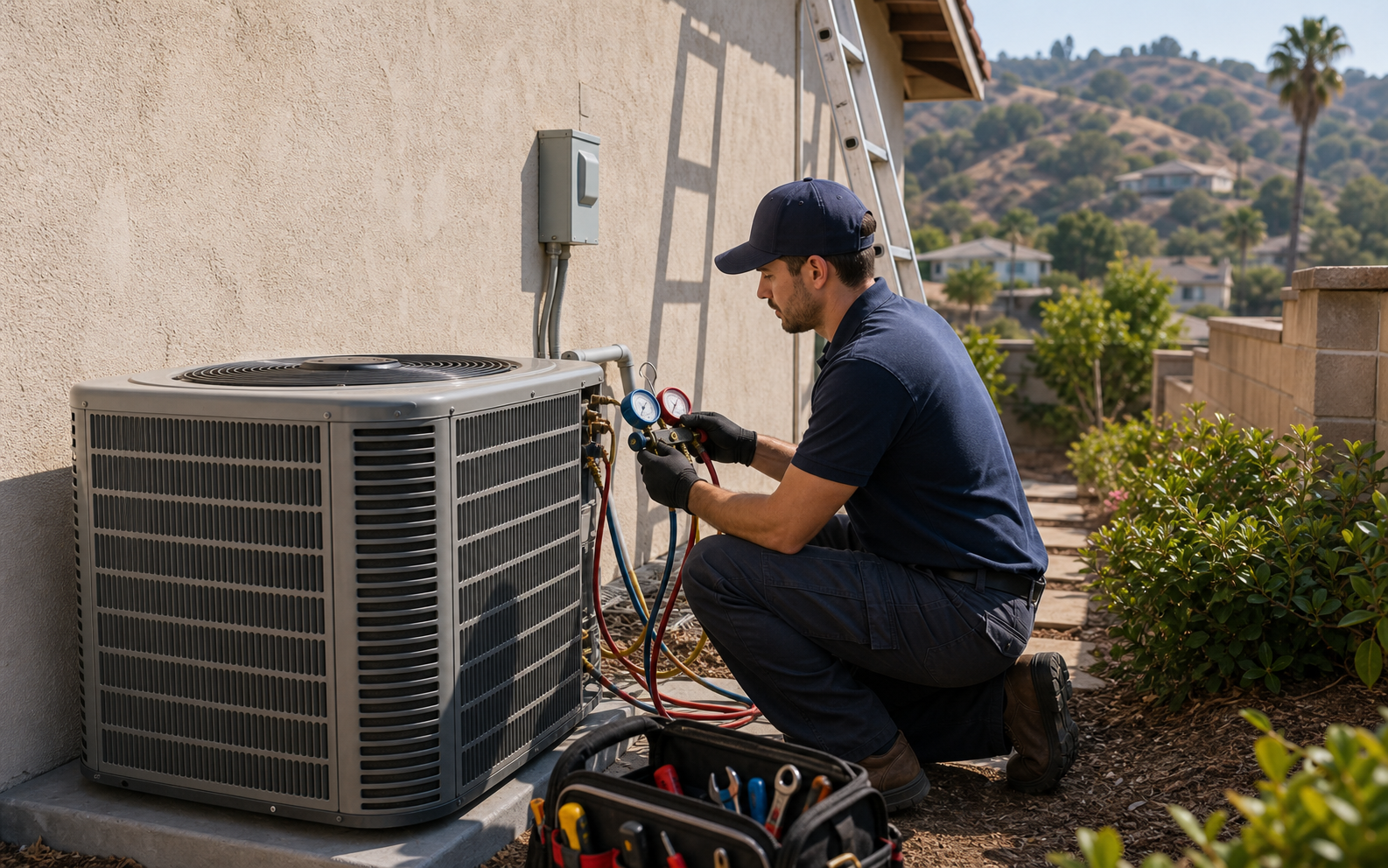
Indoor air quality first decision
Indoor air quality should start with smoke odor indoors, dust after winds, and inspect return leakage, then move to overly restrictive filters and leaky returns only when the evidence supports it. The goal of this indoor air quality page is to make the homeowner ask for proof before approving a repair, replacement, or phased scope.
For indoor air quality, the most useful estimate language names inspect return leakage, match filter capacity to blower, review wildfire smoke concerns and explains how those steps affect the planning range from $280 to $4,200.
Indoor air quality price and proof screen
indoor-air-quality pricing is useful only after the estimate explains which facts are real at the property. For indoor air quality, RidgeFlow screens smoke odor indoors, dust after winds, filter collapse against overly restrictive filters, leaky returns, undersized filter racks before using the planning range from $280 to $4,200.
- indoor-air-quality step 1: Inspect return leakage.
- indoor-air-quality step 2: Match filter capacity to blower.
- indoor-air-quality step 3: Review wildfire smoke concerns.
- indoor-air-quality step 4: Plan ventilation controls.
- indoor-air-quality step 5: Document maintenance intervals.
The written recommendation should say which indoor-air-quality assumption would change the price: access, old materials, permit path, safety correction, replacement threshold, or another trade that must be sequenced first.
Indoor air quality decision language that is not generic
The page has to make indoor air quality feel like a specific decision, not a trade-directory entry. The core problem is filtration and ventilation plan; the avoidable mistake is installing a restrictive filter cabinet without airflow proof. A useful RidgeFlow recommendation should use field language such as filter face area, return leakage, blower capacity, coil condition, ventilation strategy, pressure drop and explain how that evidence changes repair, replacement, or phasing.
The light version of indoor air quality is real when the failed item is isolated, access is simple, and surrounding evidence stays clean. RidgeFlow should still write down the reason the scope stayed small, because a homeowner needs proof that a low invoice is not just a missed diagnosis.
The heavier version begins when ash in coils appears beside smoke odor indoors. At that point the page should help the owner understand why the recommendation is no longer a single-part correction.
The planning version is the one most contractors undersell. If future work includes an ADU, heat pump, EV charger, sewer repair, water heater, remodel, or insurance documentation, indoor air quality can become the moment to sequence work instead of patching the same constraint twice.
The durable target is cleaner indoor air without starving the blower. That is why the page talks about attic heat, return leakage, smoke exposure, controls, and electrical startup instead of stopping at a symptom list.
Evidence matrix for indoor air quality
This matrix gives the service page a stronger spine. It tells a homeowner what proof should show up in the notes before the estimate becomes persuasive.
| Field proof | Homeowner symptom | Risk to rule out | Estimate implication |
|---|---|---|---|
| Filter face area | Dust after winds | Ash in coils | Plan ventilation controls before final price language. |
| Return leakage | Filter collapse | Overly restrictive filters | Document maintenance intervals before final price language. |
| Blower capacity | Allergy spikes | Leaky returns | Inspect return leakage before final price language. |
| Coil condition | Stale bedrooms | Undersized filter racks | Match filter capacity to blower before final price language. |
| Ventilation strategy | Smoke odor indoors | Unbalanced ventilation | Review wildfire smoke concerns before final price language. |
| Pressure drop | Dust after winds | Ash in coils | Plan ventilation controls before final price language. |
If a proposal cannot identify the proof, the symptom, and the implication, it is probably leaning too hard on sales language. RidgeFlow should win when the owner wants a defensible scope.
Indoor air quality field notebook
These notes make the indoor air quality page less interchangeable with nearby services in the same category. They describe the decision path a homeowner should see in writing.
indoor-air-quality-service-note-01: indoor-air-quality turns expensive when unbalanced ventilation is mistaken for a side issue. The complaint may be filter collapse, but the driver may sit behind blower capacity. The written note should say whether the next move is repair, replacement, monitoring, or phasing.
indoor-air-quality-service-note-02: indoor-air-quality should not be sold as a generic hvac task. The first clue is allergy spikes; the field proof is coil condition. If ash in coils appears, the question becomes whether filtration, sealing, duct correction, or equipment cleaning gives the highest return. RidgeFlow should verify that evidence before price feels final.
indoor-air-quality-service-note-03: A stronger indoor-air-quality estimate separates visible evidence, measured evidence, and closed-wall uncertainty. Here the visible clue is smoke odor indoors, the measured clue is filter face area, and the hidden concern is leaky returns. That keeps the job from becoming installing a restrictive filter cabinet without airflow proof.
indoor-air-quality-service-note-04: Homeowners comparing indoor-air-quality proposals should look for plan ventilation controls. Without that step, the proposal is only a claim. With return leakage, RidgeFlow can defend cleaner indoor air without starving the blower instead of pushing a bigger automatic scope.
indoor-air-quality-service-note-05: indoor-air-quality turns expensive when ash in coils is mistaken for a side issue. The complaint may be allergy spikes, but the driver may sit behind ventilation strategy. The written note should say whether the next move is repair, replacement, monitoring, or phasing.
indoor-air-quality-service-note-06: indoor-air-quality should not be sold as a generic hvac task. The first clue is stale bedrooms; the field proof is pressure drop. If overly restrictive filters appears, the question becomes whether filtration, sealing, duct correction, or equipment cleaning gives the highest return. RidgeFlow should measure that evidence before price feels final.
indoor-air-quality-service-note-07: A stronger indoor-air-quality estimate separates visible evidence, measured evidence, and closed-wall uncertainty. Here the visible clue is dust after winds, the measured clue is blower capacity, and the hidden concern is undersized filter racks. That keeps the job from becoming installing a restrictive filter cabinet without airflow proof.
indoor-air-quality-service-note-08: Homeowners comparing indoor-air-quality proposals should look for document maintenance intervals. Without that step, the proposal is only a claim. With coil condition, RidgeFlow can defend cleaner indoor air without starving the blower instead of pushing a bigger automatic scope.
indoor-air-quality-service-note-09: indoor-air-quality turns expensive when overly restrictive filters is mistaken for a side issue. The complaint may be stale bedrooms, but the driver may sit behind filter face area. The written note should say whether the next move is repair, replacement, monitoring, or phasing.
indoor-air-quality-service-note-10: indoor-air-quality should not be sold as a generic hvac task. The first clue is smoke odor indoors; the field proof is return leakage. If leaky returns appears, the question becomes whether filtration, sealing, duct correction, or equipment cleaning gives the highest return. RidgeFlow should stage that evidence before price feels final.
indoor-air-quality-service-note-11: indoor-air-quality should not be sold as a generic hvac task. The first clue is filter collapse; the field proof is pressure drop. If unbalanced ventilation appears, the question becomes whether filtration, sealing, duct correction, or equipment cleaning gives the highest return. RidgeFlow should measure that evidence before price feels final.
indoor-air-quality-service-note-12: indoor-air-quality turns expensive when undersized filter racks is mistaken for a side issue. The complaint may be dust after winds, but the driver may sit behind ventilation strategy. The written note should say whether the next move is repair, replacement, monitoring, or phasing.
indoor-air-quality-service-note-13: Homeowners comparing indoor-air-quality proposals should look for review wildfire smoke concerns. Without that step, the proposal is only a claim. With coil condition, RidgeFlow can defend cleaner indoor air without starving the blower instead of pushing a bigger automatic scope.
indoor-air-quality-service-note-14: A stronger indoor-air-quality estimate separates visible evidence, measured evidence, and closed-wall uncertainty. Here the visible clue is stale bedrooms, the measured clue is blower capacity, and the hidden concern is overly restrictive filters. That keeps the job from becoming installing a restrictive filter cabinet without airflow proof.
indoor-air-quality-service-note-15: indoor-air-quality should not be sold as a generic hvac task. The first clue is allergy spikes; the field proof is return leakage. If ash in coils appears, the question becomes whether filtration, sealing, duct correction, or equipment cleaning gives the highest return. RidgeFlow should stage that evidence before price feels final.
indoor-air-quality-service-note-16: indoor-air-quality turns expensive when unbalanced ventilation is mistaken for a side issue. The complaint may be filter collapse, but the driver may sit behind filter face area. The written note should say whether the next move is repair, replacement, monitoring, or phasing.
indoor-air-quality-service-note-17: Homeowners comparing indoor-air-quality proposals should look for plan ventilation controls. Without that step, the proposal is only a claim. With pressure drop, RidgeFlow can defend cleaner indoor air without starving the blower instead of pushing a bigger automatic scope.
indoor-air-quality-service-note-18: A stronger indoor-air-quality estimate separates visible evidence, measured evidence, and closed-wall uncertainty. Here the visible clue is smoke odor indoors, the measured clue is ventilation strategy, and the hidden concern is leaky returns. That keeps the job from becoming installing a restrictive filter cabinet without airflow proof.
indoor-air-quality-service-note-19: indoor-air-quality should not be sold as a generic hvac task. The first clue is stale bedrooms; the field proof is coil condition. If overly restrictive filters appears, the question becomes whether filtration, sealing, duct correction, or equipment cleaning gives the highest return. RidgeFlow should verify that evidence before price feels final.
indoor-air-quality-service-note-20: indoor-air-quality turns expensive when ash in coils is mistaken for a side issue. The complaint may be allergy spikes, but the driver may sit behind blower capacity. The written note should say whether the next move is repair, replacement, monitoring, or phasing.
indoor-air-quality-service-note-21: indoor-air-quality turns expensive when overly restrictive filters is mistaken for a side issue. The complaint may be stale bedrooms, but the driver may sit behind blower capacity. The written note should say whether the next move is repair, replacement, monitoring, or phasing.
indoor-air-quality-service-note-22: indoor-air-quality should not be sold as a generic hvac task. The first clue is smoke odor indoors; the field proof is coil condition. If leaky returns appears, the question becomes whether filtration, sealing, duct correction, or equipment cleaning gives the highest return. RidgeFlow should verify that evidence before price feels final.
indoor-air-quality-service-note-23: A stronger indoor-air-quality estimate separates visible evidence, measured evidence, and closed-wall uncertainty. Here the visible clue is filter collapse, the measured clue is filter face area, and the hidden concern is unbalanced ventilation. That keeps the job from becoming installing a restrictive filter cabinet without airflow proof.
indoor-air-quality-service-note-24: Homeowners comparing indoor-air-quality proposals should look for inspect return leakage. Without that step, the proposal is only a claim. With return leakage, RidgeFlow can defend cleaner indoor air without starving the blower instead of pushing a bigger automatic scope.
indoor-air-quality-service-note-25: indoor-air-quality turns expensive when leaky returns is mistaken for a side issue. The complaint may be smoke odor indoors, but the driver may sit behind ventilation strategy. The written note should say whether the next move is repair, replacement, monitoring, or phasing.
indoor-air-quality-service-note-26: indoor-air-quality should not be sold as a generic hvac task. The first clue is dust after winds; the field proof is pressure drop. If undersized filter racks appears, the question becomes whether filtration, sealing, duct correction, or equipment cleaning gives the highest return. RidgeFlow should measure that evidence before price feels final.
indoor-air-quality-service-note-27: A stronger indoor-air-quality estimate separates visible evidence, measured evidence, and closed-wall uncertainty. Here the visible clue is allergy spikes, the measured clue is blower capacity, and the hidden concern is ash in coils. That keeps the job from becoming installing a restrictive filter cabinet without airflow proof.
indoor-air-quality-service-note-28: Homeowners comparing indoor-air-quality proposals should look for match filter capacity to blower. Without that step, the proposal is only a claim. With coil condition, RidgeFlow can defend cleaner indoor air without starving the blower instead of pushing a bigger automatic scope.
indoor-air-quality-service-note-29: indoor-air-quality turns expensive when unbalanced ventilation is mistaken for a side issue. The complaint may be filter collapse, but the driver may sit behind ventilation strategy. The written note should say whether the next move is repair, replacement, monitoring, or phasing.
indoor-air-quality-service-note-30: indoor-air-quality should not be sold as a generic hvac task. The first clue is allergy spikes; the field proof is pressure drop. If ash in coils appears, the question becomes whether filtration, sealing, duct correction, or equipment cleaning gives the highest return. RidgeFlow should measure that evidence before price feels final.
indoor-air-quality-service-note-31: Homeowners comparing indoor-air-quality proposals should look for review wildfire smoke concerns. Without that step, the proposal is only a claim. With coil condition, RidgeFlow can defend cleaner indoor air without starving the blower instead of pushing a bigger automatic scope.
indoor-air-quality-service-note-32: A stronger indoor-air-quality estimate separates visible evidence, measured evidence, and closed-wall uncertainty. Here the visible clue is stale bedrooms, the measured clue is blower capacity, and the hidden concern is overly restrictive filters. That keeps the job from becoming installing a restrictive filter cabinet without airflow proof.
indoor-air-quality-service-note-33: indoor-air-quality should not be sold as a generic hvac task. The first clue is filter collapse; the field proof is pressure drop. If unbalanced ventilation appears, the question becomes whether filtration, sealing, duct correction, or equipment cleaning gives the highest return. RidgeFlow should measure that evidence before price feels final.
indoor-air-quality-service-note-34: indoor-air-quality turns expensive when undersized filter racks is mistaken for a side issue. The complaint may be dust after winds, but the driver may sit behind ventilation strategy. The written note should say whether the next move is repair, replacement, monitoring, or phasing.
indoor-air-quality-service-note-35: Homeowners comparing indoor-air-quality proposals should look for match filter capacity to blower. Without that step, the proposal is only a claim. With return leakage, RidgeFlow can defend cleaner indoor air without starving the blower instead of pushing a bigger automatic scope.
indoor-air-quality-service-note-36: A stronger indoor-air-quality estimate separates visible evidence, measured evidence, and closed-wall uncertainty. Here the visible clue is allergy spikes, the measured clue is filter face area, and the hidden concern is ash in coils. That keeps the job from becoming installing a restrictive filter cabinet without airflow proof.
indoor-air-quality-service-note-37: indoor-air-quality should not be sold as a generic hvac task. The first clue is dust after winds; the field proof is coil condition. If undersized filter racks appears, the question becomes whether filtration, sealing, duct correction, or equipment cleaning gives the highest return. RidgeFlow should verify that evidence before price feels final.
indoor-air-quality-service-note-38: indoor-air-quality turns expensive when leaky returns is mistaken for a side issue. The complaint may be smoke odor indoors, but the driver may sit behind blower capacity. The written note should say whether the next move is repair, replacement, monitoring, or phasing.
indoor-air-quality-service-note-39: Homeowners comparing indoor-air-quality proposals should look for document maintenance intervals. Without that step, the proposal is only a claim. With return leakage, RidgeFlow can defend cleaner indoor air without starving the blower instead of pushing a bigger automatic scope.
indoor-air-quality-service-note-40: A stronger indoor-air-quality estimate separates visible evidence, measured evidence, and closed-wall uncertainty. Here the visible clue is dust after winds, the measured clue is filter face area, and the hidden concern is undersized filter racks. That keeps the job from becoming installing a restrictive filter cabinet without airflow proof.
Indoor air quality estimate language to demand
The strongest indoor air quality proposal should make the evidence visible. If the evidence is missing, the page is not doing enough for the homeowner or for search quality.
indoor-air-quality-service-note-41: A stronger indoor-air-quality estimate separates visible evidence, measured evidence, and closed-wall uncertainty. Here the visible clue is allergy spikes, the measured clue is filter face area, and the hidden concern is ash in coils. That keeps the job from becoming installing a restrictive filter cabinet without airflow proof.
indoor-air-quality-service-note-42: Homeowners comparing indoor-air-quality proposals should look for match filter capacity to blower. Without that step, the proposal is only a claim. With return leakage, RidgeFlow can defend cleaner indoor air without starving the blower instead of pushing a bigger automatic scope.
indoor-air-quality-service-note-43: indoor-air-quality turns expensive when leaky returns is mistaken for a side issue. The complaint may be smoke odor indoors, but the driver may sit behind blower capacity. The written note should say whether the next move is repair, replacement, monitoring, or phasing.
indoor-air-quality-service-note-44: indoor-air-quality should not be sold as a generic hvac task. The first clue is dust after winds; the field proof is coil condition. If undersized filter racks appears, the question becomes whether filtration, sealing, duct correction, or equipment cleaning gives the highest return. RidgeFlow should verify that evidence before price feels final.
indoor-air-quality-service-note-45: A stronger indoor-air-quality estimate separates visible evidence, measured evidence, and closed-wall uncertainty. Here the visible clue is filter collapse, the measured clue is ventilation strategy, and the hidden concern is unbalanced ventilation. That keeps the job from becoming installing a restrictive filter cabinet without airflow proof.
indoor-air-quality-service-note-46: Homeowners comparing indoor-air-quality proposals should look for inspect return leakage. Without that step, the proposal is only a claim. With pressure drop, RidgeFlow can defend cleaner indoor air without starving the blower instead of pushing a bigger automatic scope.
indoor-air-quality-service-note-47: indoor-air-quality turns expensive when overly restrictive filters is mistaken for a side issue. The complaint may be stale bedrooms, but the driver may sit behind filter face area. The written note should say whether the next move is repair, replacement, monitoring, or phasing.
indoor-air-quality-service-note-48: indoor-air-quality should not be sold as a generic hvac task. The first clue is smoke odor indoors; the field proof is return leakage. If leaky returns appears, the question becomes whether filtration, sealing, duct correction, or equipment cleaning gives the highest return. RidgeFlow should stage that evidence before price feels final.
indoor-air-quality-service-note-49: A stronger indoor-air-quality estimate separates visible evidence, measured evidence, and closed-wall uncertainty. Here the visible clue is dust after winds, the measured clue is blower capacity, and the hidden concern is undersized filter racks. That keeps the job from becoming installing a restrictive filter cabinet without airflow proof.
indoor-air-quality-service-note-50: Homeowners comparing indoor-air-quality proposals should look for document maintenance intervals. Without that step, the proposal is only a claim. With coil condition, RidgeFlow can defend cleaner indoor air without starving the blower instead of pushing a bigger automatic scope.
indoor-air-quality-service-note-51: indoor-air-quality should not be sold as a generic hvac task. The first clue is stale bedrooms; the field proof is return leakage. If overly restrictive filters appears, the question becomes whether filtration, sealing, duct correction, or equipment cleaning gives the highest return. RidgeFlow should stage that evidence before price feels final.
indoor-air-quality-service-note-52: indoor-air-quality turns expensive when ash in coils is mistaken for a side issue. The complaint may be allergy spikes, but the driver may sit behind filter face area. The written note should say whether the next move is repair, replacement, monitoring, or phasing.
indoor-air-quality-service-note-53: Homeowners comparing indoor-air-quality proposals should look for document maintenance intervals. Without that step, the proposal is only a claim. With pressure drop, RidgeFlow can defend cleaner indoor air without starving the blower instead of pushing a bigger automatic scope.
indoor-air-quality-service-note-54: A stronger indoor-air-quality estimate separates visible evidence, measured evidence, and closed-wall uncertainty. Here the visible clue is dust after winds, the measured clue is ventilation strategy, and the hidden concern is undersized filter racks. That keeps the job from becoming installing a restrictive filter cabinet without airflow proof.
indoor-air-quality-service-note-55: indoor-air-quality should not be sold as a generic hvac task. The first clue is allergy spikes; the field proof is pressure drop. If ash in coils appears, the question becomes whether filtration, sealing, duct correction, or equipment cleaning gives the highest return. RidgeFlow should measure that evidence before price feels final.
indoor-air-quality-service-note-56: indoor-air-quality turns expensive when unbalanced ventilation is mistaken for a side issue. The complaint may be filter collapse, but the driver may sit behind ventilation strategy. The written note should say whether the next move is repair, replacement, monitoring, or phasing.
indoor-air-quality-service-note-57: Homeowners comparing indoor-air-quality proposals should look for plan ventilation controls. Without that step, the proposal is only a claim. With coil condition, RidgeFlow can defend cleaner indoor air without starving the blower instead of pushing a bigger automatic scope.
indoor-air-quality-service-note-58: A stronger indoor-air-quality estimate separates visible evidence, measured evidence, and closed-wall uncertainty. Here the visible clue is smoke odor indoors, the measured clue is blower capacity, and the hidden concern is leaky returns. That keeps the job from becoming installing a restrictive filter cabinet without airflow proof.
indoor-air-quality-service-note-59: indoor-air-quality should not be sold as a generic hvac task. The first clue is filter collapse; the field proof is coil condition. If unbalanced ventilation appears, the question becomes whether filtration, sealing, duct correction, or equipment cleaning gives the highest return. RidgeFlow should verify that evidence before price feels final.
indoor-air-quality-service-note-60: indoor-air-quality turns expensive when undersized filter racks is mistaken for a side issue. The complaint may be dust after winds, but the driver may sit behind blower capacity. The written note should say whether the next move is repair, replacement, monitoring, or phasing.
indoor-air-quality-service-note-61: indoor-air-quality turns expensive when leaky returns is mistaken for a side issue. The complaint may be smoke odor indoors, but the driver may sit behind ventilation strategy. The written note should say whether the next move is repair, replacement, monitoring, or phasing.
indoor-air-quality-service-note-62: indoor-air-quality should not be sold as a generic hvac task. The first clue is dust after winds; the field proof is pressure drop. If undersized filter racks appears, the question becomes whether filtration, sealing, duct correction, or equipment cleaning gives the highest return. RidgeFlow should measure that evidence before price feels final.
indoor-air-quality-service-note-63: A stronger indoor-air-quality estimate separates visible evidence, measured evidence, and closed-wall uncertainty. Here the visible clue is allergy spikes, the measured clue is blower capacity, and the hidden concern is ash in coils. That keeps the job from becoming installing a restrictive filter cabinet without airflow proof.
indoor-air-quality-service-note-64: Homeowners comparing indoor-air-quality proposals should look for match filter capacity to blower. Without that step, the proposal is only a claim. With coil condition, RidgeFlow can defend cleaner indoor air without starving the blower instead of pushing a bigger automatic scope.
indoor-air-quality-service-note-65: indoor-air-quality turns expensive when overly restrictive filters is mistaken for a side issue. The complaint may be stale bedrooms, but the driver may sit behind blower capacity. The written note should say whether the next move is repair, replacement, monitoring, or phasing.
indoor-air-quality-service-note-66: indoor-air-quality should not be sold as a generic hvac task. The first clue is smoke odor indoors; the field proof is coil condition. If leaky returns appears, the question becomes whether filtration, sealing, duct correction, or equipment cleaning gives the highest return. RidgeFlow should verify that evidence before price feels final.
indoor-air-quality-service-note-67: A stronger indoor-air-quality estimate separates visible evidence, measured evidence, and closed-wall uncertainty. Here the visible clue is filter collapse, the measured clue is filter face area, and the hidden concern is unbalanced ventilation. That keeps the job from becoming installing a restrictive filter cabinet without airflow proof.
indoor-air-quality-service-note-68: Homeowners comparing indoor-air-quality proposals should look for inspect return leakage. Without that step, the proposal is only a claim. With return leakage, RidgeFlow can defend cleaner indoor air without starving the blower instead of pushing a bigger automatic scope.
indoor-air-quality-service-note-69: indoor-air-quality turns expensive when unbalanced ventilation is mistaken for a side issue. The complaint may be filter collapse, but the driver may sit behind blower capacity. The written note should say whether the next move is repair, replacement, monitoring, or phasing.
indoor-air-quality-service-note-70: indoor-air-quality should not be sold as a generic hvac task. The first clue is allergy spikes; the field proof is coil condition. If ash in coils appears, the question becomes whether filtration, sealing, duct correction, or equipment cleaning gives the highest return. RidgeFlow should verify that evidence before price feels final.
indoor-air-quality-service-note-71: Homeowners comparing indoor-air-quality proposals should look for review wildfire smoke concerns. Without that step, the proposal is only a claim. With pressure drop, RidgeFlow can defend cleaner indoor air without starving the blower instead of pushing a bigger automatic scope.
indoor-air-quality-service-note-72: A stronger indoor-air-quality estimate separates visible evidence, measured evidence, and closed-wall uncertainty. Here the visible clue is stale bedrooms, the measured clue is ventilation strategy, and the hidden concern is overly restrictive filters. That keeps the job from becoming installing a restrictive filter cabinet without airflow proof.
indoor-air-quality-service-note-73: indoor-air-quality should not be sold as a generic hvac task. The first clue is filter collapse; the field proof is return leakage. If unbalanced ventilation appears, the question becomes whether filtration, sealing, duct correction, or equipment cleaning gives the highest return. RidgeFlow should stage that evidence before price feels final.
indoor-air-quality-service-note-74: indoor-air-quality turns expensive when undersized filter racks is mistaken for a side issue. The complaint may be dust after winds, but the driver may sit behind filter face area. The written note should say whether the next move is repair, replacement, monitoring, or phasing.
Indoor air quality comparison memo
This memo gives indoor air quality additional service-specific prose so the page does not collapse into a generic category page.
indoor-air-quality-service-note-75: Homeowners comparing indoor-air-quality proposals should look for plan ventilation controls. Without that step, the proposal is only a claim. With return leakage, RidgeFlow can defend cleaner indoor air without starving the blower instead of pushing a bigger automatic scope.
indoor-air-quality-service-note-76: A stronger indoor-air-quality estimate separates visible evidence, measured evidence, and closed-wall uncertainty. Here the visible clue is smoke odor indoors, the measured clue is filter face area, and the hidden concern is leaky returns. That keeps the job from becoming installing a restrictive filter cabinet without airflow proof.
indoor-air-quality-service-note-77: indoor-air-quality should not be sold as a generic hvac task. The first clue is allergy spikes; the field proof is coil condition. If ash in coils appears, the question becomes whether filtration, sealing, duct correction, or equipment cleaning gives the highest return. RidgeFlow should verify that evidence before price feels final.
indoor-air-quality-service-note-78: indoor-air-quality turns expensive when unbalanced ventilation is mistaken for a side issue. The complaint may be filter collapse, but the driver may sit behind blower capacity. The written note should say whether the next move is repair, replacement, monitoring, or phasing.
indoor-air-quality-service-note-79: Homeowners comparing indoor-air-quality proposals should look for document maintenance intervals. Without that step, the proposal is only a claim. With coil condition, RidgeFlow can defend cleaner indoor air without starving the blower instead of pushing a bigger automatic scope.
indoor-air-quality-service-note-80: A stronger indoor-air-quality estimate separates visible evidence, measured evidence, and closed-wall uncertainty. Here the visible clue is smoke odor indoors, the measured clue is ventilation strategy, and the hidden concern is leaky returns. That keeps the job from becoming installing a restrictive filter cabinet without airflow proof.
indoor-air-quality-service-note-81: A stronger indoor-air-quality estimate separates visible evidence, measured evidence, and closed-wall uncertainty. Here the visible clue is allergy spikes, the measured clue is blower capacity, and the hidden concern is ash in coils. That keeps the job from becoming installing a restrictive filter cabinet without airflow proof.
indoor-air-quality-service-note-82: Homeowners comparing indoor-air-quality proposals should look for match filter capacity to blower. Without that step, the proposal is only a claim. With coil condition, RidgeFlow can defend cleaner indoor air without starving the blower instead of pushing a bigger automatic scope.
indoor-air-quality-service-note-83: indoor-air-quality turns expensive when leaky returns is mistaken for a side issue. The complaint may be smoke odor indoors, but the driver may sit behind ventilation strategy. The written note should say whether the next move is repair, replacement, monitoring, or phasing.
indoor-air-quality-service-note-84: indoor-air-quality should not be sold as a generic hvac task. The first clue is dust after winds; the field proof is pressure drop. If undersized filter racks appears, the question becomes whether filtration, sealing, duct correction, or equipment cleaning gives the highest return. RidgeFlow should measure that evidence before price feels final.
indoor-air-quality-service-note-85: A stronger indoor-air-quality estimate separates visible evidence, measured evidence, and closed-wall uncertainty. Here the visible clue is stale bedrooms, the measured clue is ventilation strategy, and the hidden concern is overly restrictive filters. That keeps the job from becoming installing a restrictive filter cabinet without airflow proof.
indoor-air-quality-service-note-86: Homeowners comparing indoor-air-quality proposals should look for review wildfire smoke concerns. Without that step, the proposal is only a claim. With pressure drop, RidgeFlow can defend cleaner indoor air without starving the blower instead of pushing a bigger automatic scope.
indoor-air-quality-service-note-87: indoor-air-quality turns expensive when undersized filter racks is mistaken for a side issue. The complaint may be dust after winds, but the driver may sit behind filter face area. The written note should say whether the next move is repair, replacement, monitoring, or phasing.
indoor-air-quality-service-note-88: indoor-air-quality should not be sold as a generic hvac task. The first clue is filter collapse; the field proof is return leakage. If unbalanced ventilation appears, the question becomes whether filtration, sealing, duct correction, or equipment cleaning gives the highest return. RidgeFlow should stage that evidence before price feels final.
indoor-air-quality-service-note-89: A stronger indoor-air-quality estimate separates visible evidence, measured evidence, and closed-wall uncertainty. Here the visible clue is dust after winds, the measured clue is ventilation strategy, and the hidden concern is undersized filter racks. That keeps the job from becoming installing a restrictive filter cabinet without airflow proof.
indoor-air-quality-service-note-90: Homeowners comparing indoor-air-quality proposals should look for document maintenance intervals. Without that step, the proposal is only a claim. With pressure drop, RidgeFlow can defend cleaner indoor air without starving the blower instead of pushing a bigger automatic scope.
indoor-air-quality-service-note-91: indoor-air-quality should not be sold as a generic hvac task. The first clue is stale bedrooms; the field proof is coil condition. If overly restrictive filters appears, the question becomes whether filtration, sealing, duct correction, or equipment cleaning gives the highest return. RidgeFlow should verify that evidence before price feels final.
indoor-air-quality-service-note-92: indoor-air-quality turns expensive when ash in coils is mistaken for a side issue. The complaint may be allergy spikes, but the driver may sit behind blower capacity. The written note should say whether the next move is repair, replacement, monitoring, or phasing.
Field proof for indoor air quality
Indoor air quality belongs on its own page only if the page gives a homeowner decision leverage before booking. The useful proof is not a generic hvac promise; it is the field evidence that separates a small repair from replacement, permit work, or a staged multi-trade plan.
| Homeowner signal | Risk to rule out | First field action |
|---|---|---|
| smoke odor indoors | overly restrictive filters | inspect return leakage |
| dust after winds | leaky returns | match filter capacity to blower |
| filter collapse | undersized filter racks | review wildfire smoke concerns |
| allergy spikes | unbalanced ventilation | plan ventilation controls |
| stale bedrooms | ash in coils | document maintenance intervals |
Estimate guardrails for indoor air quality
A responsible estimate for indoor air quality should explain why the price lands between a minor correction and a larger scope. The visible cost range on this site is $280 to $4 200, but the number only becomes useful when it is tied to photos, readings, access, age, and failure history.
The page should help a homeowner ask for the right proof: which item failed, what was measured, what remains hidden, what related HVAC, electrical, or plumbing dependency could change the job, and what would make repair a temporary patch instead of a durable fix.
Popular indoor air quality service areas
These city pages connect indoor air quality with local access, utility, housing, and permit context instead of repeating a generic service blurb.
- HVAC service in Altadena
- HVAC service in Pasadena
- HVAC service in East Pasadena
- HVAC service in Hastings Ranch
- HVAC service in Linda Vista
- HVAC service in San Rafael Hills
- HVAC service in Sierra Madre
- HVAC service in Arcadia
- HVAC service in Monrovia
- HVAC service in Duarte
- HVAC service in Bradbury
- HVAC service in Azusa Foothills
Useful Sources
This page uses official and authoritative references where they affect homeowner decisions: LA County Building and Safety permits, Pasadena Permit Center Online, California Energy Commission building energy standards, ENERGY STAR heating and cooling guidance.
Frequently asked questions
Can I just install a higher MERV filter?
Only if the system can handle the pressure drop. A filter upgrade without airflow review can reduce comfort and stress equipment.
What matters after wildfire smoke?
Filter capacity, sealed returns, clean coils, proper ventilation strategy, and avoiding outdoor-air intake during heavy smoke events matter most.
Do you provide HVAC, electrical, and plumbing in one visit?
When the scope requires more than one trade, RidgeFlow coordinates the assessment so the homeowner gets one practical order of operations instead of conflicting recommendations.
Do you handle permit-aware planning?
We explain likely permit and inspection touchpoints, then verify the correct path by parcel before work that requires city or county documentation moves forward.